
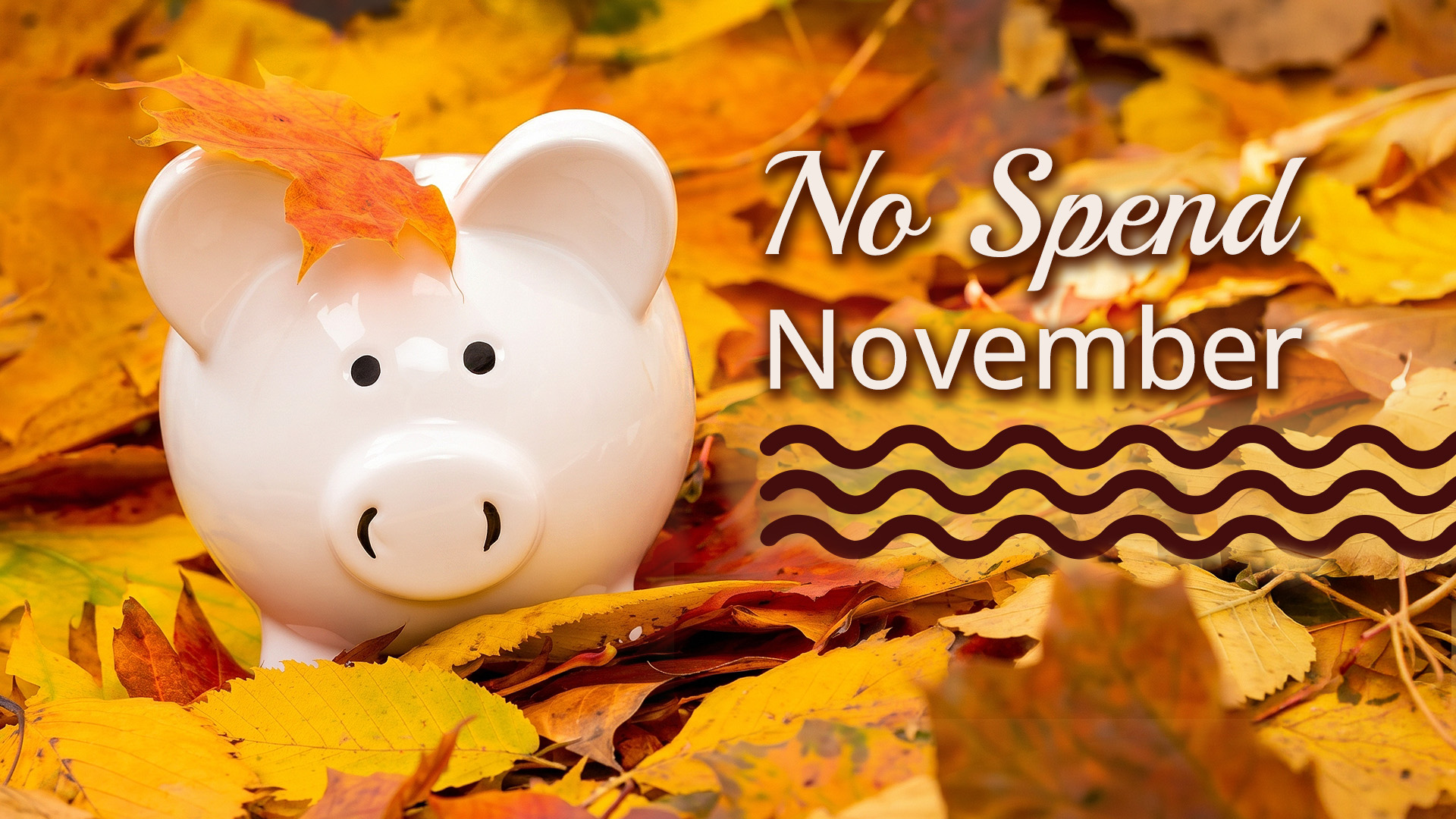
With the holidays around the corner, it can feel like there’s more pressure to spend than any other time in the year. Throughout November, we’re bombarded with advertisements for Black Friday deals, holiday gatherings and extra luxuries tempt us with the promise of making things extra sweet. Before you know it, small purchases can add up fast, cutting into your budget or adding credit card debt.
Instead of falling into the spending traps, think about joining the “No Spend November” movement: A month-long challenge to cut out non-essential spending. When you pair every skipped purchase with a deposit into your savings or another bill paid down, you’ll finish the month with more than good intentions. You’ll have a stronger financial cushion heading into the new year.
Whether you’re building an emergency fund, saving for holiday gifts, or working toward a bigger goal, here are five ways to make No Spend November work for your savings.
Set a Savings Goal Before You Start
No Spend November is easier to stick with when you know what you’re working toward. As you start on the challenge, decide where your savings will go: An emergency fund, holiday gifts, or paying down a credit card and set a dollar amount to aim for. Even a modest target gives every skipped purchase a purpose. If you need help creating a goal, the financial calculators on the SESLOC website can show you how quickly small amounts can add up.
Pay Yourself First with Automatic Savings
The easiest way to save is to make it automatic. By setting up a recurring transfer in Online Banking, you can move a set amount into savings every payday — before you have a chance to spend it. You can also boost savings by enrolling in Change it Up¹, which rounds your debit card purchases up to the nearest dollar and deposits the change into the savings account of your choice. And when you open a Save to Win Share Certificate² with a $25 minimum deposit and direct Change it Up into that account, you could win an additional prize.3
Turn Every Skipped Purchase into a Deposit
Cutting back is only half of the challenge. The other half is making sure that money doesn’t get spent somewhere else. For example: Each time you skip a coffee run, transfer that same amount into a savings account. A $5 coffee five days a week adds up to roughly $100 a month. The same goes for streaming subscriptions: If you cancel one you no longer use, set up a recurring transfer for the same amount so your budget doesn’t notice the difference.
Plan Ahead for Black Friday and Holiday Sales
With Thanksgiving and Black Friday around the corner, your No Spend November resolve will be tested quickly. The ease of online shopping makes it even harder. Two taps from the cart to payment can pile on debt quickly and crash a budget. Before the sales start, make your shopping list and decide in advance which purchases are truly planned. Incorporate that into your budget so you can shop with cash on hand instead of relying on credit. And remember: A sale only saves you money if you were planning to buy the item anyway. If you’re tempted by a deal you didn’t plan for, move that amount into savings instead. That’s a discount you’ll actually keep.
Make Your Necessary Spending Count with Rewards Points
No Spend November doesn’t mean no spending at all. You still need groceries and gas, while insurance bills, utilities and other essentials still need to be paid for. Reward your spending with the SESLOC Visa Signature ® Rewards Card4 and your debit card linked to a SESLOC HomeFREE Checking account. Using the credit and debit cards earn SESLOC Rewards5 points, with bonus points at participating Local Rewards6 businesses. Redeem your points for cash into your account or save up your points towards gas discounts and the hottest merch. The choice is yours.
When it comes to No Spend November, balance is key. By cutting back on what you don’t need and putting that money to work, you can head into the holidays with less stress and a stronger financial foundation. And even after the holiday season, consider keeping your automatic transfers running. The habits you build this month can keep paying off all year long.