Now, more than ever, it’s important to safeguard sensitive card information to prevent an interruption in your ability to make important purchases. Be sure to report a lost or stolen card to your financial institution immediately.


Now, more than ever, it’s important to safeguard sensitive card information to prevent an interruption in your ability to make important purchases. Be sure to report a lost or stolen card to your financial institution immediately.

Now, more than ever, it’s important to safeguard sensitive card information to prevent an interruption in your ability to make important purchases. Be sure to report a lost or stolen card to your financial institution immediately.

Identity theft is a type of crime where someone obtains another person’s personal information without their permission or knowledge and uses that information to commit fraud or other illegal activities. The personal information that is commonly targeted includes names, addresses, birthdates, Social Security numbers, credit card numbers, and bank account information.

This year, tax crimes have become more complex and sinister than ever before, including scams like identity theft, phishing, fake charities, false claims, and more. This article will cover new fraud schemes and reoccurring ones in hopes of helping you understand what to watch for and how to protect yourself and your loved ones.

Medical identity theft occurs when someone’s name, Social Security number, or insurance information is used to submit fraudulent insurance claims.
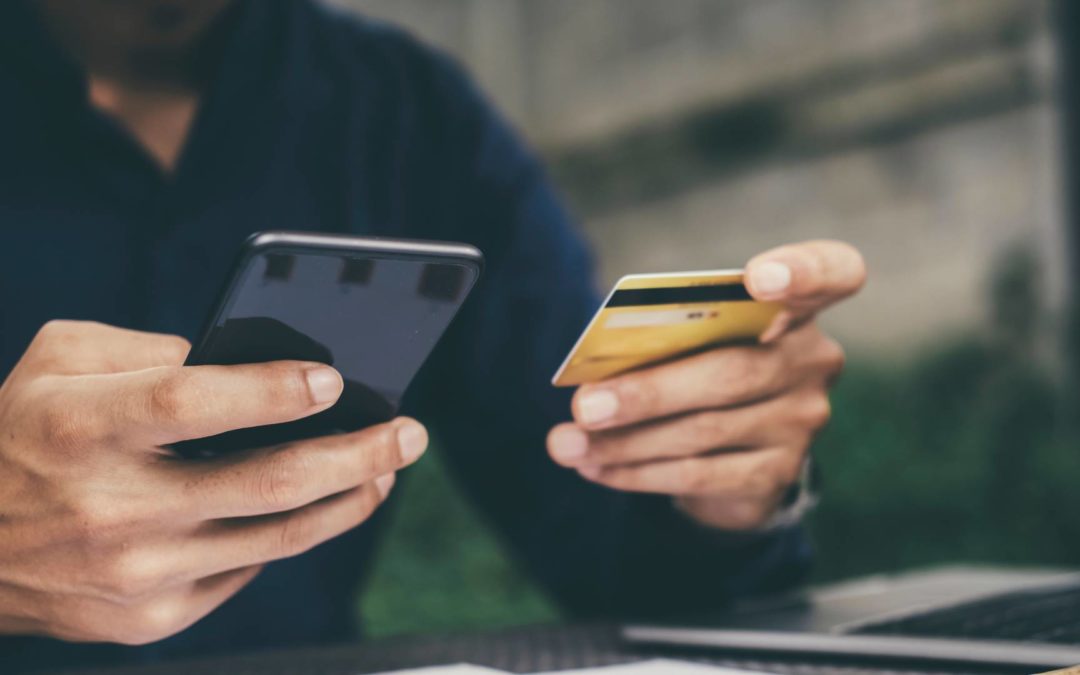
With identity theft on the rise, and scammers only getting better at what they do, it helps to stay aware of how fraudsters may be targeting your personal information and your good name. The most successful scams will continue to be circulated until they stop being an effective way for criminals to steal from their victims.

Although new attacks regularly come to the attention of cybersecurity experts, these are the most common types that you can watch for and protect yourself against.

Zelle, CashApp, and Venmo are popular money transfer apps that allow you to send and receive money to and from other individuals instantly, just like handing over cash, even if you and your payee have accounts with different financial institutions.

A January 2022 Pew Research study found that 75% of adults over 65 in the United States are using the internet regularly. This increased use of technology brings a heightened risk of fraud for all Americans. In this article we will address the most prevalent scams that target our senior citizens and provide simple advice on how to protect yourself and your elderly loved ones.

With many Americans holding out hope that their student loan debt will be reduced or forgiven altogether, but also struggling to keep up with the latest news from the federal government, it’s not hard to see why scammers have been so successful. That’s why we are highlighting five ways to protect yourself from fraudsters pretending to have the power to provide you with student debt relief.
In the Credit Union spirit of “People Helping People,” we’re launching an Emergency Loan program designed to help members affected by the 2025 U.S. Federal Government Shutdown
It’s been a busy quarter behind the scenes as we continue to work for you, our member-owners, and our Central Coast community.
SESLOC was honored with two awards: The 2025 Pacific Coast Business Times list of “Fastest Growing Companies” and a Bauer 5-Star rating.
SESLOC is making it possible to access more of the value in your homes, giving you more options to unlock cash when you need it.
It’s been a busy quarter behind the scenes as we continue to work for you, our member-owners, and our Central Coast community.