There’s a new spending trend in town, and many are calling it “revenge spend.” As the COVID-19 vaccine gains momentum and restrictions ease, people are opening their wallets to make up for lost time during the lockdown.

Financial success starts with a solid foundation. Get started today by learning about budgeting and financial basics.
There’s a new spending trend in town, and many are calling it “revenge spend.” As the COVID-19 vaccine gains momentum and restrictions ease, people are opening their wallets to make up for lost time during the lockdown.

Practical money management skills learned at an early age can have a lasting impact on the rest of your child’s life. In fact, this is one of the most important areas where you can truly change the course of their life. Educating your children about financial wellness will help them build healthy spending habits for the future.

Going green doesn’t have to break the bank. In fact, there are small things you can do every day to promote environmental sustainability and save money at the same time. Check out these 5 tips for going green:

On the Central Coast, “going green” means a lot of things — doing your part for the environment, supporting Cal Poly, hitting the green, saving your green (money), and eating your greens to maintain a healthy lifestyle. Whichever you prefer, here are a few ways to go green this spring:

First, let’s clear up a common misconception about credit scores. It’s often thought that you have just one singular score, or one for each of the three credit bureaus. The truth is that you actually have many credit scores. This is due to a number of factors:

Saving money can often be a challenge—especially during times of financial uncertainty. As humans, we’re wired to take care of our needs now, and worry about later… well, later.

During our recent webinar presentation, Money Management in Turbulent Times, we asked our attendees to collaborate and share their top tips for cutting costs. Cutting costs is an important strategy for stretching your budget so you can pay your debt down faster or hit your savings goals quicker.
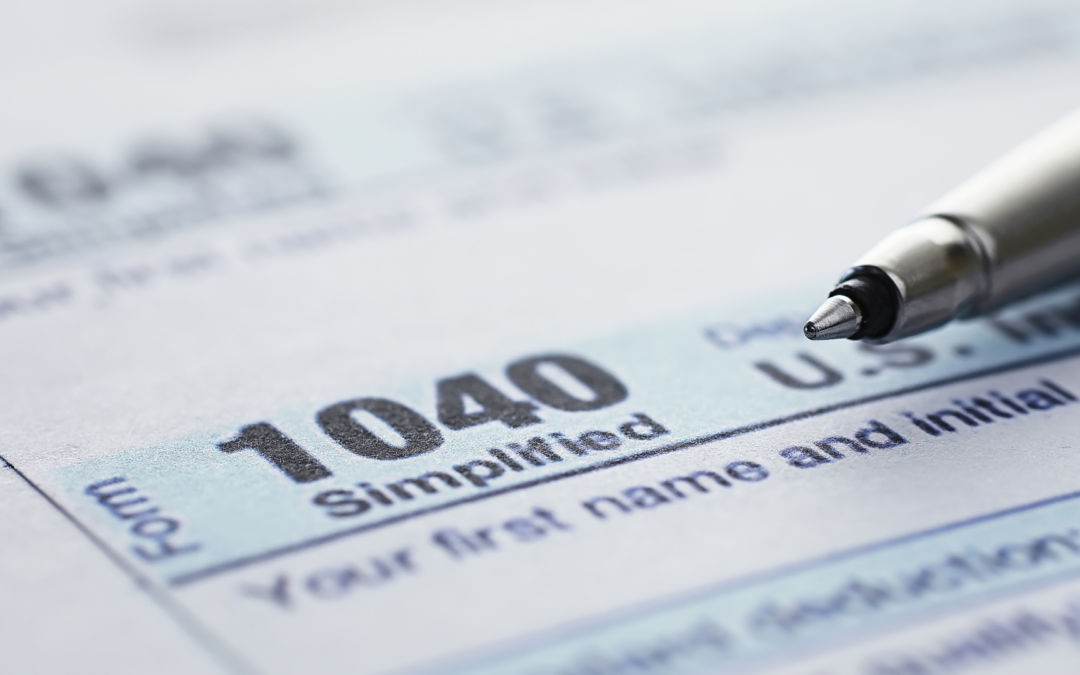
There are many misconceptions about how marginal tax brackets work and how they impact your federal tax return. This is what you need to know:For the 2020 tax year (to be filed by in 2021), the IRS set marginal rates of 10%, 12%, 22%, 24%, 32%, 35% and 37%. Your tax rate depends on your filing status (single, married filing jointly, married filing separately, or head of household) as well as your taxable income.

An automobile accident can be a confusing and stressful event, but being prepared can help you remain calm. It’s important to know what to do immediately after an accident and what to do in the days following.

As we abide by stay-at-home orders, many of us spend hours in front of the computer each day for work and school. Online retail associations expect online holiday sales to surge by 25% – amounting to between $182 billion and $196 billion. Add this to a 15% increase in online sales from 2018 to 2019.
26 members won a combined $7,300 in the monthly and quarterly Save to Win 12-month Share Certificate¹ prize drawing² earlier this month — including two big quarterly winners of $5,000 and $1,000. What would you do if you got the call announcing a surprise windfall? Anthony, the $1,000 quarterly prize winner, quite literally jumped for joy when he heard the good news.
SESLOC Credit Union announced today that Geri LaChance will retire as President and CEO effective June 2024 after 12 years of leadership at the credit union. LaChance will be succeeded by Executive Vice President/Chief Financial Officer Mike Quamma.
On the corner of People & Place, amazing things happen. Let’s take a look a back at what we’ve achieved together.
SESLOC employees cut back on nearly 10,000 miles this past quarter, saving 3.87 tons of carbon dioxide from entering our local air. Methods including like riding a bike, taking the bus or carpooling instead of driving alone, or telecommuting. Reducing our carbon...
SESLOC employees eliminated 690 trips, saving 3.14 tons of carbon dioxide from entering our local air, by using alternative commute methods during the third quarter of 2023. Methods including like riding a bike, taking the bus or carpooling instead of driving alone,...