When should you start teaching your kids about money? Early — because the skills and habits they learn now can have a tremendous impact down the road.
Financial success starts with a solid foundation. Get started today by learning about budgeting and financial basics.
When should you start teaching your kids about money? Early — because the skills and habits they learn now can have a tremendous impact down the road.
What does $1,500 mean to you? No matter your financial situation, $1,500 is significant. It could be a down payment on your next car, a dent in your debt, a furniture upgrade, a step towards retirement, a boost to your emergency fund, or a first-class ticket to New York.
As we move deeper into the new year, the magic of the holiday may have worn off, and many of our New Year’s resolutions are becoming faded memories. With tax season approaching and the pace of our working lives becoming more and more accelerated, stress can start to take a toll on us emotionally.
Have you checked your credit report recently? Or ever? Shelli* was doing everything right, but something was dragging down her score — it just didn’t make sense. So she ordered her credit report and found the culprit. There was a delinquent credit card from an account she owned with an ex years ago. She had been removed from it a long time ago, but there it was.
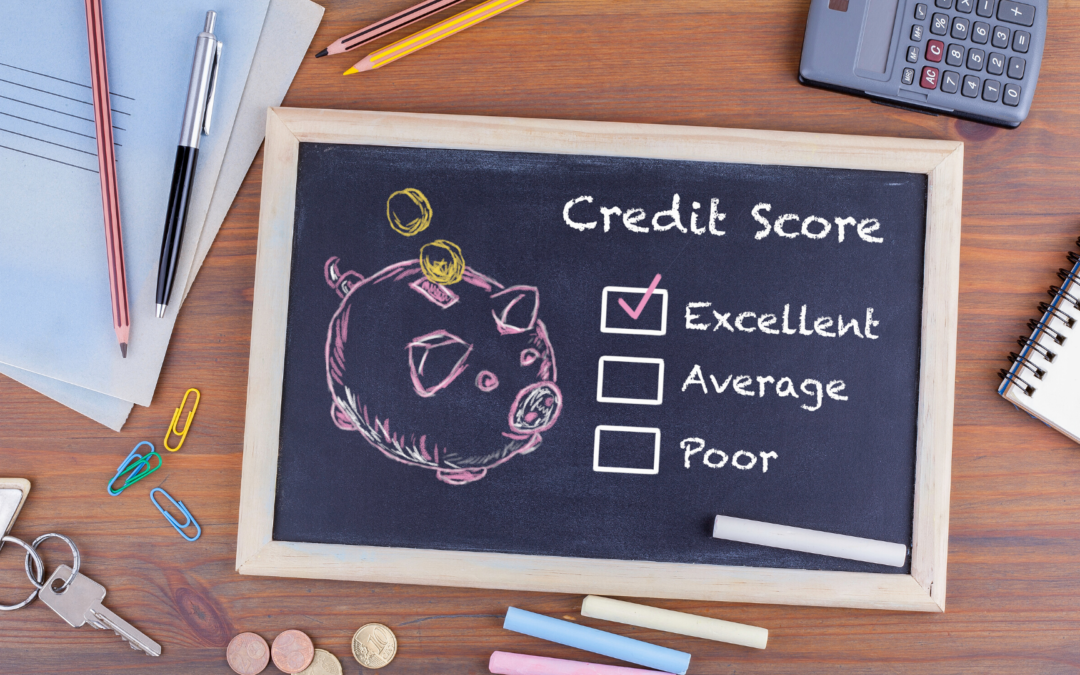
What’s a credit score and why is it so important? A credit score, also known as a FICO Score, is a calculation based on your activity in a few categories that assess the likelihood that you will repay any debt you owe. The higher the score, the more likely it is that you can handle your debt.
Expanding your family with a new furry, feathery, or scaly friend? Whether you’re a first-time pet owner or very experienced, don’t forget to consider the financial impact of a new pet and adjust your budget accordingly.
Credit report errors are shockingly common, and errors can damage your credit. If you need a loan, damaged credit means you might end up paying a higher interest rate or even get declined.
Financial wellness is a hot topic. But what is it exactly? Financial wellness is the state of your overall financial health, measured by how you’re doing in a few categories: spending, saving, borrowing, and planning.
How do you see yourself in 2020? If your vision is of a more financially savvy you, then read on. This 7-step financial action plan will give you the tools to make this year — and decade — about your financial wellness. The best part? It’s easy!
All deposits at federally insured credit unions are protected by the National Credit Union Share Insurance Fund, which is a similar but separate fund from the FDIC fund for banks. Credit union members have never lost a penny of insured savings at a federally insured...
We partner with GreenPath Financial Wellness to offer unbiased, empathetic, one-on-one financial advisement to our members. GreenPath’s certified credit counselors offer free assistance with budgeting, general financial wellness, debt counseling, foreclosure prevention and support, and student loan payment. GreenPath also offers a Debt Management Program where they negotiate with creditors on behalf of members enrolled in the program to reduce interest rates and help them repay debts faster. In 2021, GreenPath’s certified counselors assisted 8 SESLOC members with a combined $161,488 in debt pay off $55,656 through the program — that’s a reduction of outstanding debt by 34% in under a year!
SESLOC members are saving — and winning! Since the program launched, more than $20,000 in prizes have been awarded.
What are your savings goals? Whether you’re trying to boost your emergency fund or get ready for a summer vacation, we have some tips to help you reach your goals: 1. Change it Up Who says you can’t save and spend? Enroll in SESLOC’s new Change it...
80 years of People & Place. 1 Year of Absolute Awesome.
As we celebrate our 80th anniversary, we’re building a more sustainable community for the next 80 years by doing 80 local acts that have a global impact.